Helpful Tips to Powell River General Contractor
Ways to Selecting the Ideal General Contractor for Your Next Home Project
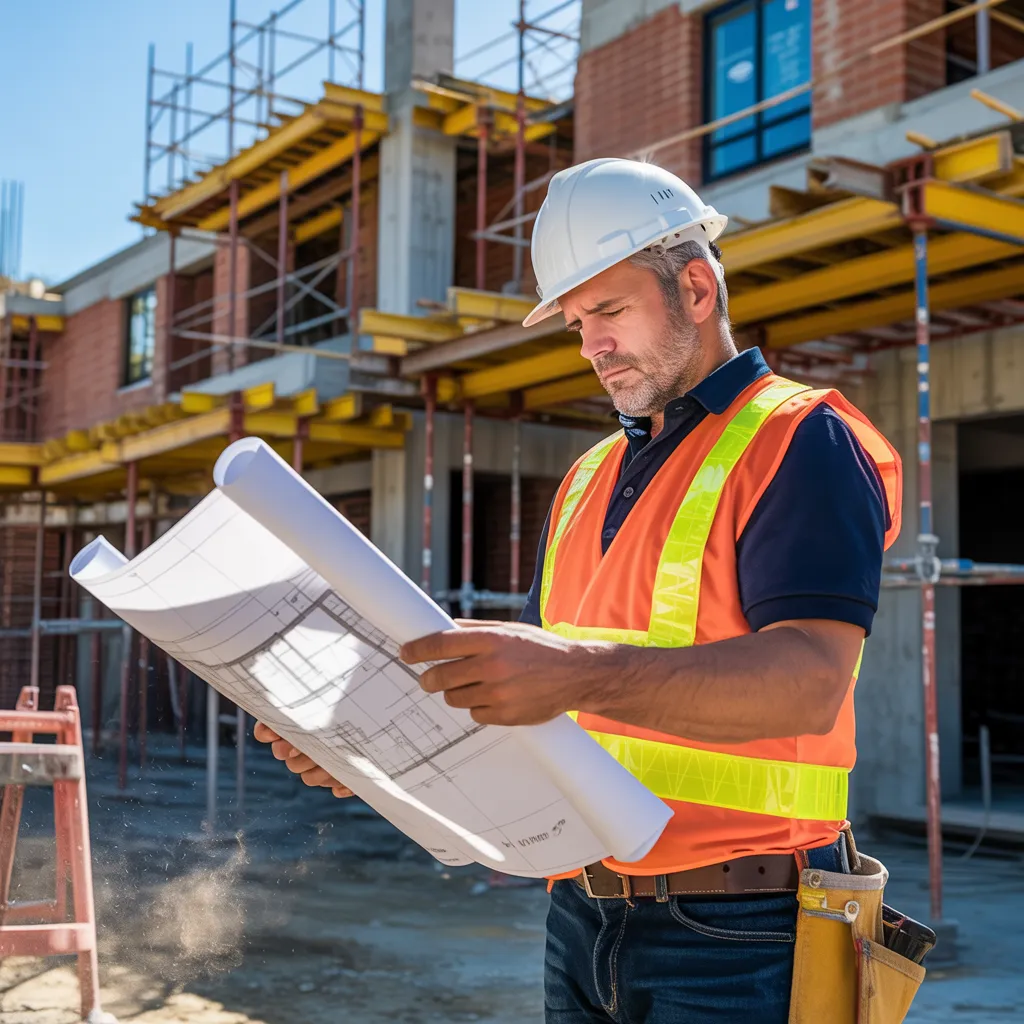
Determining the best construction partner for a home project is an important decision. This requires thorough analysis of assorted elements, including experience, certifications, and communication abilities. Numerous homeowners overlook key considerations, resulting in financial hardships. Grasping how to evaluate candidate contractors can create meaningful change. By stressing primary standards and asking the right inquiries, you can progress through this multifaceted process more successfully. What are the critical measures to guarantee a successful collaboration?
How to Prevent Regular Issues When Picking a Construction Professional
When picking a builder, how can one navigate the myriad of alternatives without making typical mistakes? Prospective clients regularly neglect vital factors that can result in disappointing consequences. First, considering price alone can be misleading; the lowest bid may mean inferior quality or hidden costs. Additionally, ignoring referrals and digital reviews can cause selection of a bad builder. It is also necessary to avoid selecting just by personality; a likable contractor may not be skilled or dependable. Moreover, not setting clear communication and goals can cause confusion and disappointment. Finally, skipping careful contract reviews before signing can cause unforeseen responsibilities or inadequate safeguards. By being watchful and educated, homeowners can make better choices, in the end creating a triumphant project.
Critical Aspects to Verify in a Contractor's Experience
When reviewing a contractor experience, many important considerations become relevant. Relevant project experience, industry certifications, and an substantial portfolio of accomplished tasks demonstrate vital signs of their strengths. Assessing these features can yield valuable insights into the contractor's appropriateness for the specific project at hand.
Applicable Project Background
Knowing a contractor's germane experience is indispensable for ensuring the success of any construction project. Prospective clients should assess the contractor's portfolio, focusing on completed projects similar in breadth and style to their own. This entails examining the superiority of construction work, compliance with to project timelines, and fiscal management in previous initiatives. Furthermore, it is valuable to inquire about the assortment of materials used and the contractor's familiarity with local codes and regulations and regulations. Remarks and references from bygone clients can provide insights into the contractor's reliability and interpersonal skills. To sum up, a contractor with substantial fitting experience can navigate challenges effectively, ensuring the project meets the homeowner's requirements and expectations.
Professional Certifications And Authorizations
Certification and licensing function as critical markers of a contractor's professionalism and expertise in the construction industry. When selecting a general contractor, it is vital to verify that they have the required permits required by local and state regulations. These licenses show compliance with building codes and safety standards. Additionally, industry certifications, such as those from the National Association of Home Builders or similar organizations, indicate a contractor's commitment to quality and ongoing education. Contractors with specialized certifications may also possess expertise in specific areas, such as green building or remodeling. Verifying that a contractor has the appropriate credentials not just enhances confidence in their capabilities but also minimizes potential legal and financial risks during the project.
Portfolio Of Accomplished Work
A contractor's portfolio featuring completed projects acts as a key resource for gauging their expertise and skills. This set ought to display a diversity of projects, demonstrating diverse skills in multiple styles and complexities. When considering a portfolio, potential clients must search for high-quality photographs that distinctly show the quality involved. It is also beneficial to observe projects that correspond to the homeowner's particular preferences or style choices. Attention to detail, innovative strategies, and adherence to schedules are vital markers of a contractor’s skill. Additionally, client feedback or case studies in the portfolio can give deeper insights into the contractor's work ethic and trustworthiness. Ultimately, a robust portfolio can help homeowners make knowledgeable decisions about their upcoming projects.
How to authenticate Your Contractor's Credentials and Licenses
Before hiring a general contractor, it is essential to verify their qualifications and certifications to validate they meet industry standards. Commence by reviewing with local licensing boards to ensure that the contractor holds the required permits for your area and project type. Each state has its own standards, so knowing these details can prevent future problems.
In addition, question about insurance plans, such as liability and workers' compensation, to ensure defense against potential accidents or damages. Collect references from previous clients and follow up to evaluate satisfaction and reliability.
Ultimately, inspect any certifications the contractor may hold, as these often show professional development and adherence to industry best practices. A detailed verification process not only guarantees compliance but also creates confidence in the contractor's ability to complete the project successfully.
Why Regular Communication Is Necessary in Your Contractor Relationship
Effective communication is essential in the contractor-client partnership, determining the project's achievement from the outset. Clear discussion establishes expectations, timelines, and budgets, guaranteeing both parties are in agreement on the project's goals. When clients express their vision effectively, contractors can offer informed recommendations and solutions, improving the overall outcome.
Regular check-ins and open lines of communication enable rapid handling of problems as they arise, reducing possible setbacks. Additionally, a service provider who pays attention and reacts to customer input fosters confidence, which is crucial for collaboration.
In addition, effective communication helps with managing unforeseen difficulties, maintaining the initiative on schedule. It permits the construction professional to modify strategies based on client input, securing contentment across all phases. In the end, prioritizing communication not only reinforces the contractor-client bond but also significantly aids in the timely completion of the home undertaking.
Key Questions to Raise to Your Service Provider in Initial Appointments
At early meetings with a contractor, clients should emphasize understanding their qualifications and background. It's important to evaluate the project timeline and budget to ensure alignment with the client's plans. These questions set up a foundation for a effective partnership and efficient project management.
Experience and Qualifications
Selecting a general contractor depends on knowing their experience and credentials. Homeowners should ask the contractor's time of experience and the kinds of jobs they have finished. Detailed inquiries regarding licenses, accreditations, and insurance are crucial, as these guarantee adherence to local laws and provide protection during the project. Additionally, evaluating previous projects through work samples or references can offer insight into the contractor's skill and reliability. It is also beneficial to ask about their familiarity with similar projects, as this can indicate their ability to handle specific challenges. Ultimately, evaluating a contractor's background and credentials builds trust and helps homeowners choose wisely for their home improvements.
Project Roadmap and Cost
How can homeowners guarantee their undertaking stays on track financially and temporally when consulting with a general contractor? To preserve consistency, they should ask significant questions during initial meetings. Homeowners must ask about the estimated timeline for project completion and any potential delays that could arise. Understanding the contractor's method to managing schedules is crucial. Additionally, addressing the budget upfront is important; homeowners should seek clarity on pricing estimates, payment schedules, and any included contingencies for unforeseen expenses. Inquiring into past work can provide insight into the contractor's reliability in meeting deadlines and staying within budget. By establishing clear communication regarding timelines and finances, homeowners can foster a productive relationship with their contractor, improving the likelihood of a successful project.
Tips for Checking References and Reading Reviews
What tactics should one take to assure a general contractor is reliable? First, it is fundamental to seek a list of references from potential contractors. A distinguished contractor will readily deliver names and contact information of previous clients. One should connect with these references to explore their experiences, focusing on aspects such as messaging, work standards, and deadline adherence.
Additionally, checking online feedback on platforms like Google, Yelp, or Angie's List can offer valuable insights. It is important to look for trends in the reviews—recurring compliments or complaints can suggest reliability or potential issues.
Furthermore, reviewing for discover the facts any complaints filed with local regulatory bodies or consumer advocacy organizations can uncover a contractor's history. Finally, requesting recent project photos can assist in evaluating the quality of their craftsmanship. By following this approach, one can reach a more well-researched decision when choosing a general contractor.
Learning About Freelance Professional Pricing and Payment Terms
Homeowners should also familiarize themselves with typical pricing structures. Most contractors demand a upfront deposit, followed by progress payments linked to project milestones. It's crucial to establish these terms before entering into an agreement to prevent confusion. Additionally, homeowners should ask regarding extra expenses, such as permits or unforeseen maintenance. Open dialogue concerning pricing and payment terms will help establish a honest working relationship, ultimately resulting in a favorable project completion. Comprehending these elements empowers homeowners to make informed decisions when selecting a general contractor.
Often Posed Questions
How much time will it take to complete the work?
Project timelines frequently fluctuate with the scope and complexity. In most cases, you should expect weeks through multiple months for finishing the work. Climate, material availability, and available workers can significantly influence the overall schedule for completion.
What Transpires if Unforeseen Problems Occur During Construction?
If unexpected issues emerge during building, the contractor usually assesses the circumstances, discusses with the property owner, and suggests solutions. Adjustments to the schedule and costs may be necessary, ensuring openness throughout the project.
Does My Project Need Permits or Inspections?
Most assignments call for inspections plus permits to guarantee compliance with local building codes. It is important to connect with a general contractor who knows these stipulations, as they can traverse the permitting process effectively.
How Do You Deal With Subcontractors and Payment Responsibilities?
A reputable general contractor manages sub-contractors by creating explicit agreements specifying payment terms. They ensure prompt payment, maintain open communication, and monitor sub-contractor productivity, fostering a collaborative environment that contributes to project success and efficiency.
What Is Your Policy on Project Changes or Upgrades?
The contractor adopts a flexible approach to project changes, demanding documented records for any upgrades. They ensure clear communication, evaluate cost implications, and modify timelines accordingly to accommodate the client's evolving needs and preferences.